
Blog List
Date : 26 Jun 2018
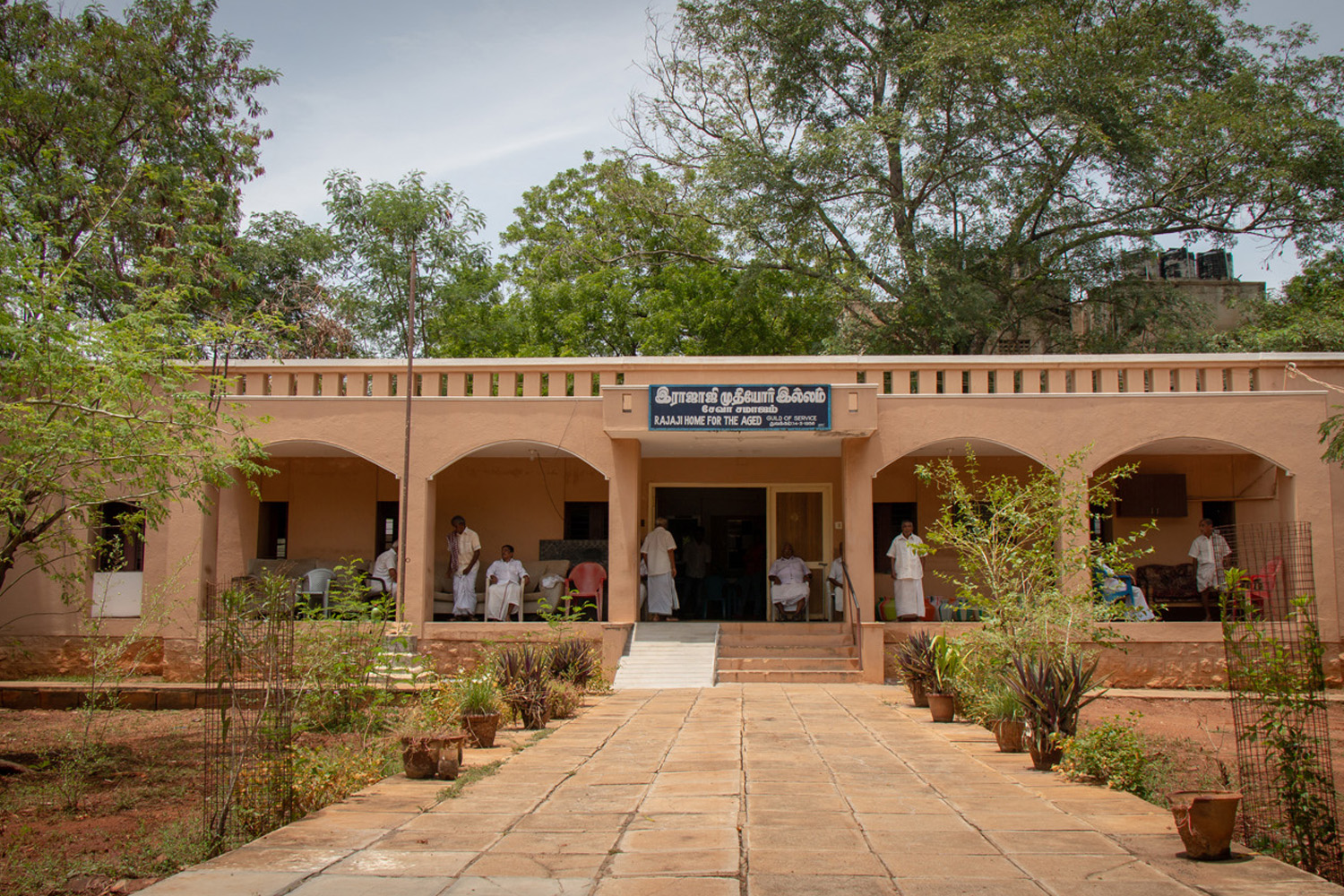
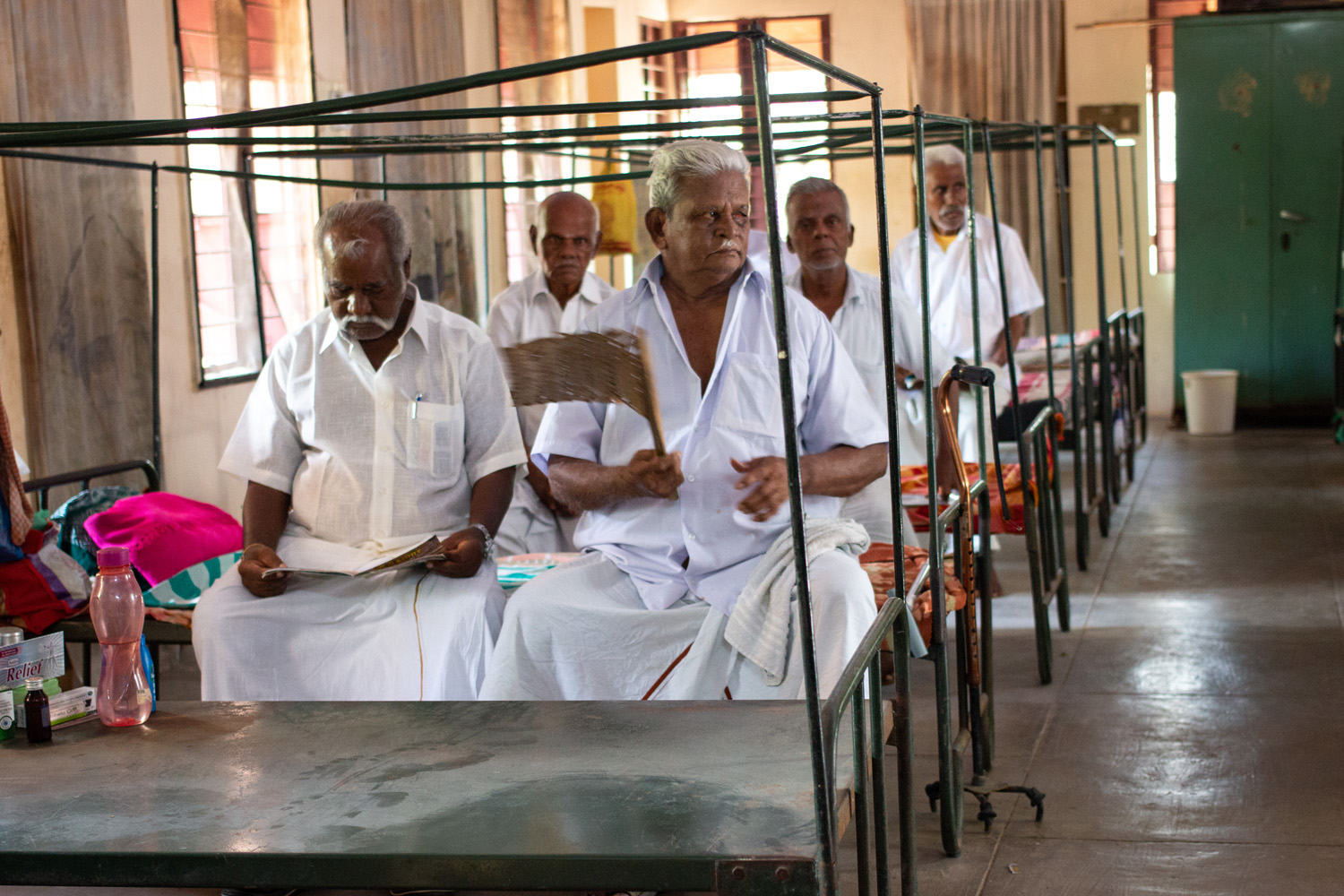
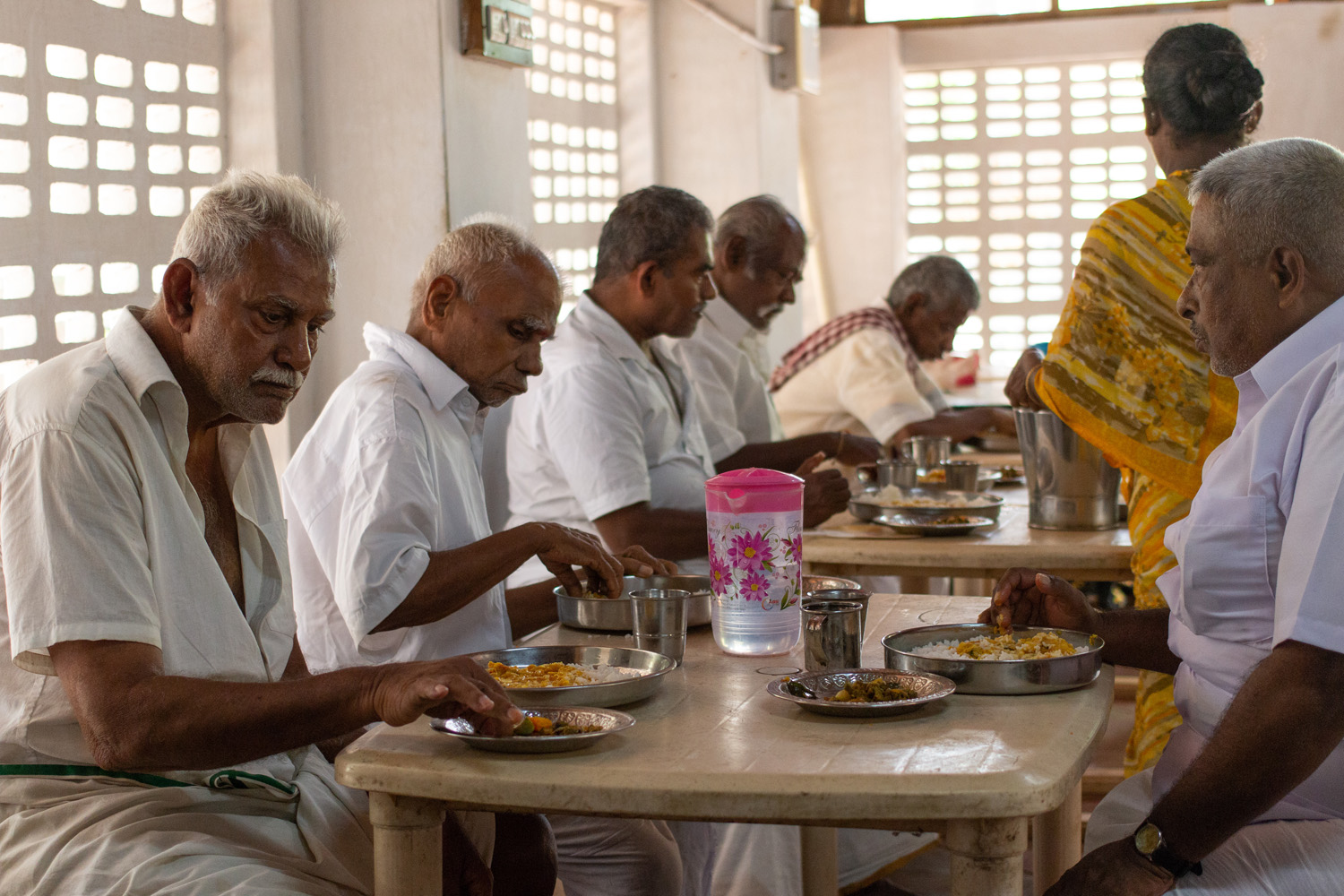
In recent years, we have been witnessing many transformations that have had an impact on society in different sectors – social, financial and personal. Lifestyles have changed, some for the better and a few with negative consequences. However, the senior citizens , referred to as elders, face certain problems as a consequence of the social transformation. This is reflected in the transition from the traditional ways of life to modern patterns, which require many compromises and adjustments. One of these involve Old age homes. What is the genesis of old age homes and how they changed life patterns for the elders? These questions need to be examined dispassionately.
Date : 26 oct 2016
To understand the concept of OAHs, one has to go back in time five to six decades to see the life pattern of elders and chronologically trace the developments that led to the slow yet steady changes that were necessitated by circumstances. There was the much-acclaimed joint family or extended family system wherein elders lived with not only their children but also with their brothers, sisters or uncles and aunts in nearby houses, mostly in villages or in small towns. They all used to live close by, helping each other for many purposes, be it happy small events or big occasions like marriages. Everyone was close at hand for any emergencies such as health problems or deaths. Thus, the social fabric was well-woven and due respect was given to elders. This system enabled elders to lead reasonably happy lives with hardly any tension, as they had the confidence that someone would take care of them when needed. Whenever there was some health issues for an elder, the whole family would run around to attend to all needs, rendering medical to personal assistance. With perfect understanding on caring and sharing the duties, the elders did not feel let down or lonely.
Date : 26 jun 2018
The scenario changed slowly and steadily with the decline or disappearance of the joint family system, which was replaced by the nuclear family system. A 50-year analysis would reveal the great transformation. Many reasons may be attributed for this change, which reflected not only the whole family set-up but also the life pattern of elders, who became dependent, partially or totally. The major factor was the disintegration of families, necessitated by the migration of sons and daughters, as also relatives from their places of birth to towns and cities in search of greener pastures. This was for education, jobs, career enhancement, marriage, amenities and improved lifestyles. While the younger generation had no difficulty in moving out of the house and adjusting themselves to new environs and adapting to new ways of life, it the elderly population found the change to be a hardship. For them, to move away from their own places with attached sentiments, comforts and property holdings, and a fairly happy life, to new environs in the cities was tough. But they had to sacrifice and compromise for the sake of their children and for their own security — financial, health and social. So, the stage was set for new life pattern of life for elders. Are they all in the same life system with their children? What are the variations and problems they face?